Built so every paper you read compounds.
The AI research agent for citable evidence.
Every paper you read becomes a structured finding in your project. Cited, persisted, ready the next time you ask.
From cited finding to the exact line in the source PDF.
Every finding lands in the evidence panel with a typed subject, predicate, object, and the verbatim passage it came from. Open any row and the source PDF jumps to the page, with the matched line highlighted.
51 findings
- PD-L1 is expressed in tumor cells in checkpoint inhibitor responders
"...where high PD-L1 expression in tumor cells correlated with longer survival in checkpoint inhibitor responders."
Smith et al. 2024page 4 - IL-6 is elevated in CRS patients receiving CAR-T therapyWang et al. 2025 · p.7
- CD19 CAR-T induced complete remission in B-ALL cohortChen et al. 2023 · p.12
- Tocilizumab reduced cytokine release syndrome severityLopez et al. 2024 · p.3
From cited finding to the exact line in the source PDF. Every finding carries its passage and page.
Built so the work compounds, not scatters.
Research normally scatters across PDFs in a folder, notes in a doc, comparisons in a spreadsheet, references in a manager. Nothing connects. EvidX keeps every artifact in one project, tied to the same evidence base. The table you built yesterday feeds the draft you write today.
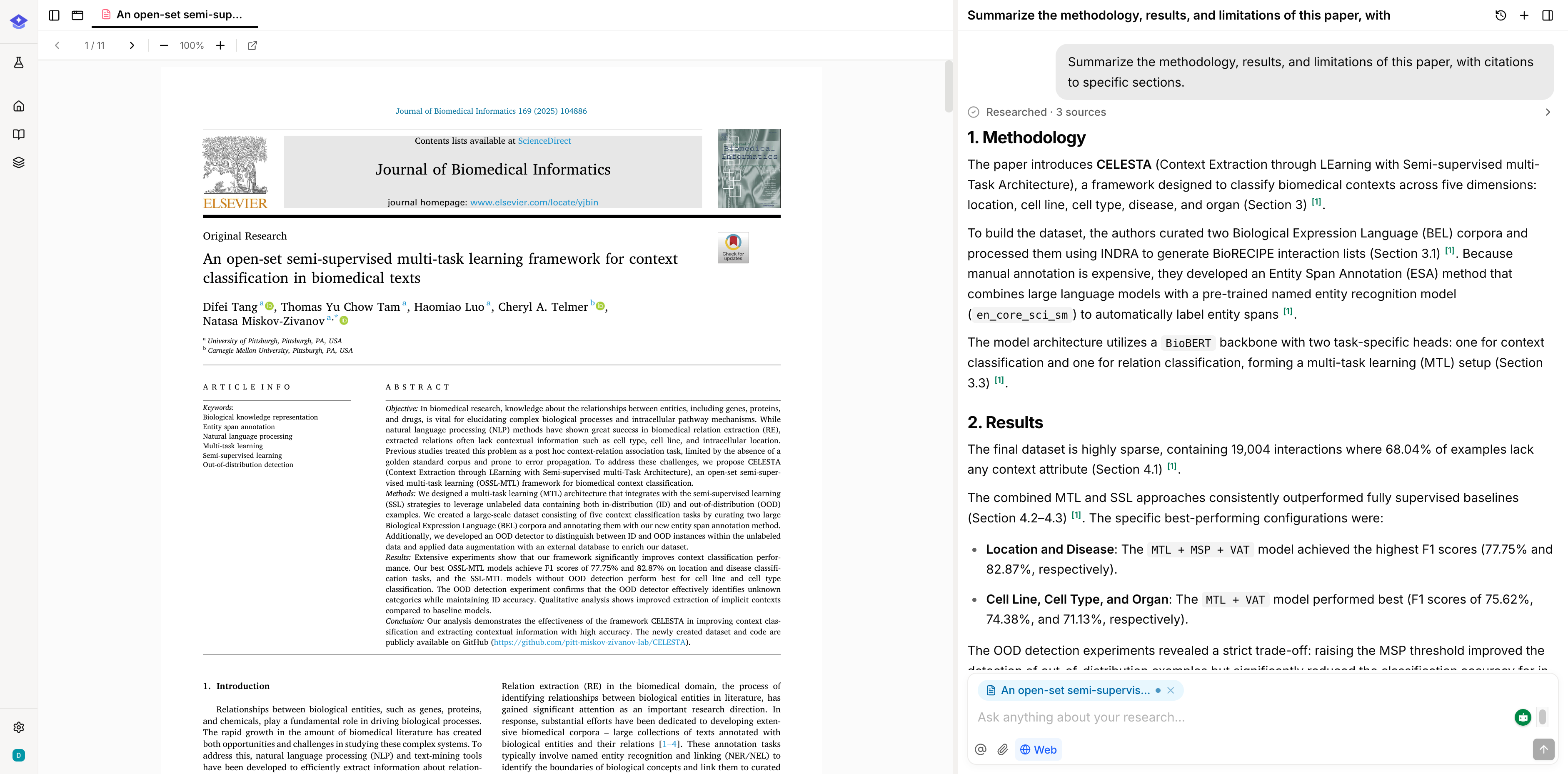
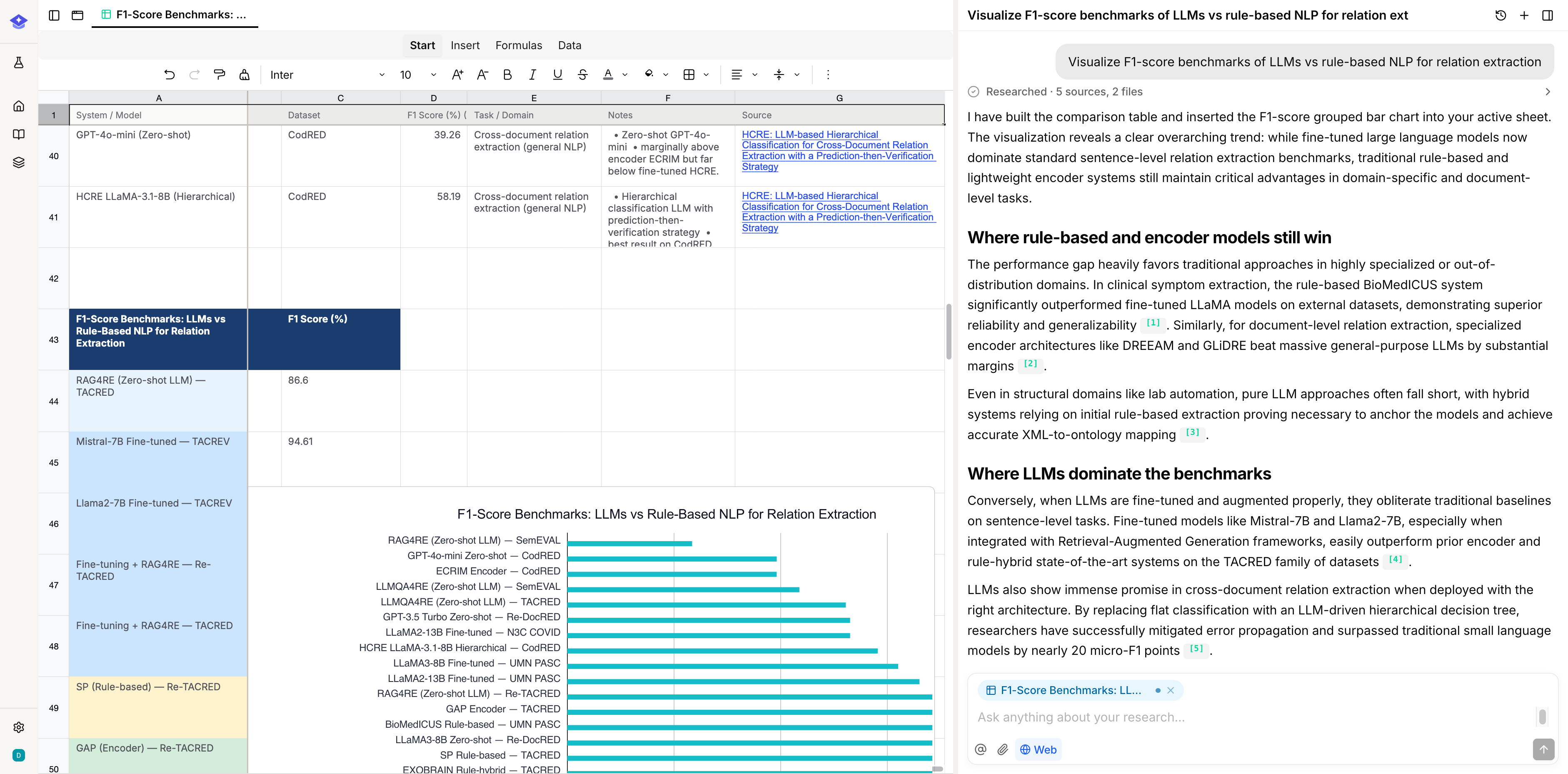
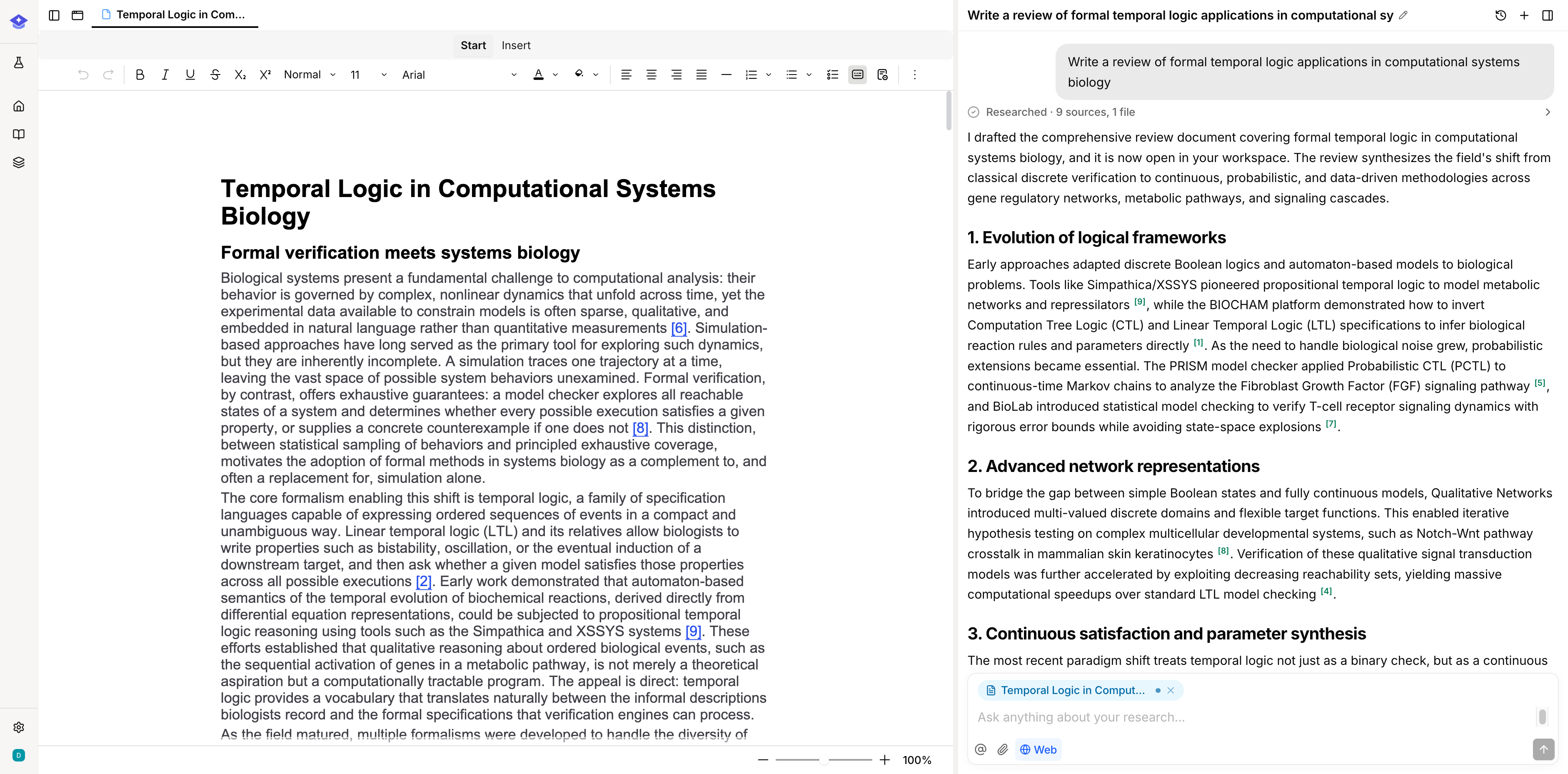
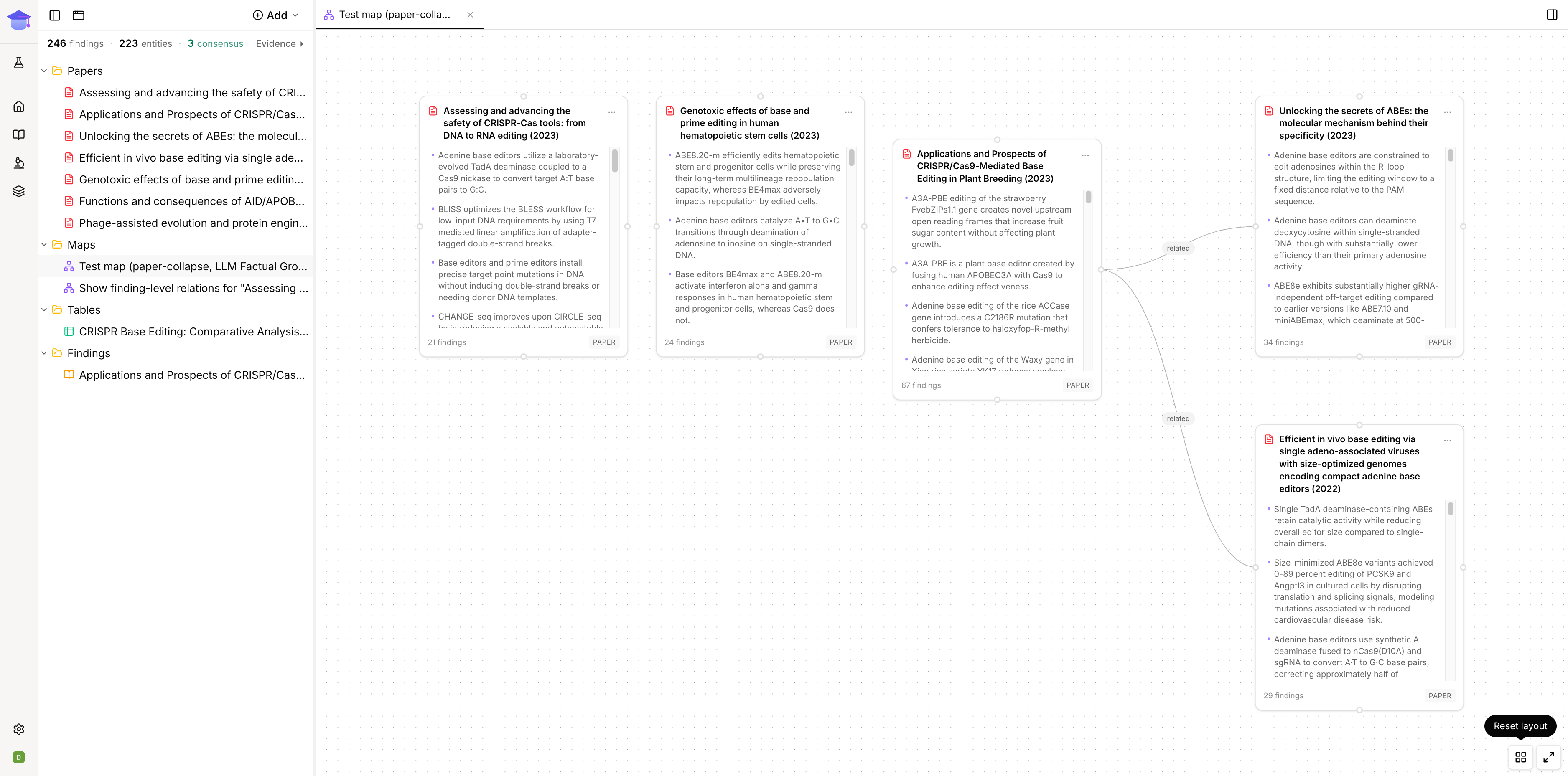
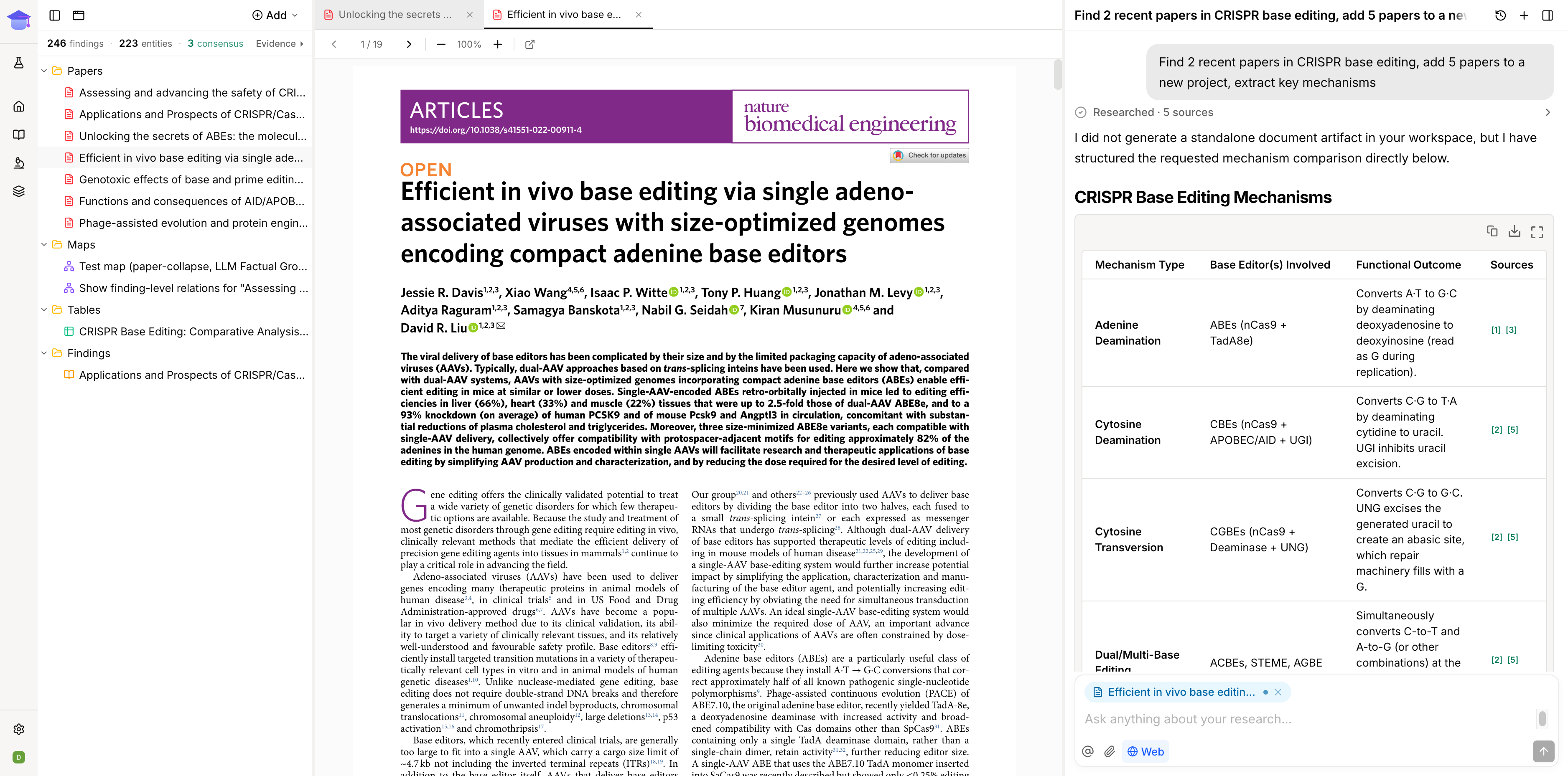
Read PDFs side-by-side with the assistant. Highlights round-trip back to the source.
Learn more about papersOne project. Every output.
Papers, sheets, docs, and maps live in the same workspace, with a shared evidence pool. No tab juggling, no re-uploading.
A vocabulary built around your research.
EvidX learns from your papers, the ones you have published or a few you pick, and designs a typed vocabulary tuned to the entities and relationships you actually study. The home page suggests prompts in that vocabulary, and the copilot extracts every paper into the same fields.
Confirm your research profile
We read your work as the following. Edit if needed. These drive your home page suggestions.
University of Pittsburgh
1 linked profile · 8 papers · ORCID linked
- · Generalizable Biomedical Relation Extraction with LLM Prompting(2024)
- · Schema-Guided Event Extraction in Cancer Pathway Literature(2024)
- · Cross-Paper Knowledge Graph Construction from Signaling Studies(2023)
- · Evaluating Hallucination in Biomedical Relation Extraction Models(2023)
- · BioRECIPE: Executable Mechanistic Models from Literature(2022)
Hybrid LLM + rule pipelines outperform pure prompting for biomedical relation extraction, with the largest gains on long-tail predicates. BioRECIPE-style typed schemas reduce hallucination on signaling-pathway claims.
22 findings extracted to your information-extraction vocabulary
Sign in, confirm your focus, and the copilot already speaks your vocabulary. Every paper it reads extracts into the same fields.
Read once. Query forever.
EvidX turns every paper into structured evidence that compounds across projects. The next time you ask, the answer is already there, cited.